
TIL #121: All Quiet
In a slow news cycle only Max and Honda make the headlines


The Installation Lap is a weekly Substack column dedicated to helping Americans develop a deeper appreciation for Formula 1.
F1 news has been eerily quiet this week. We’ve seen slow news cycles before, but this week is really something else; it seems we’re all waiting for the Canadian Grand Prix.
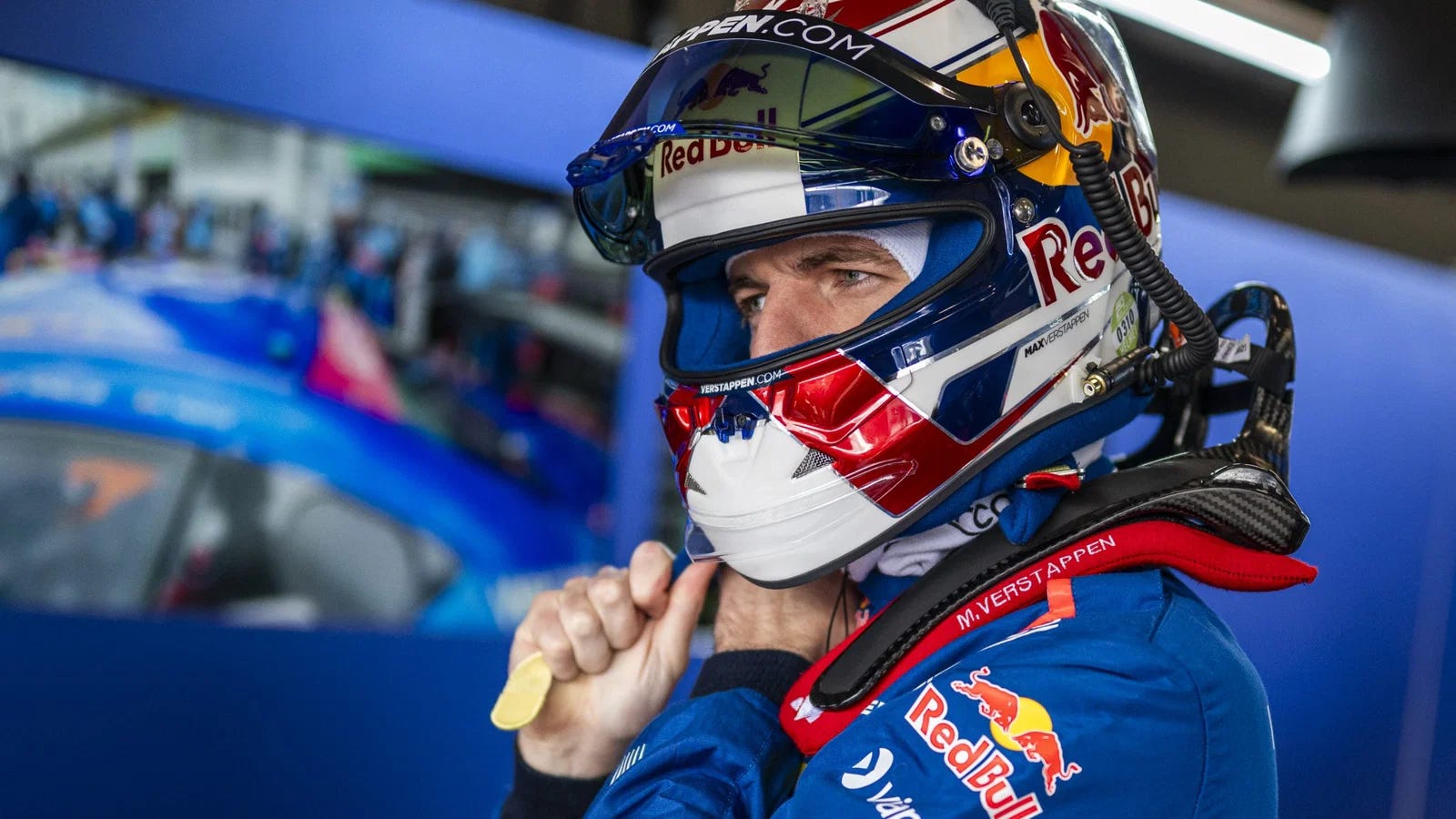
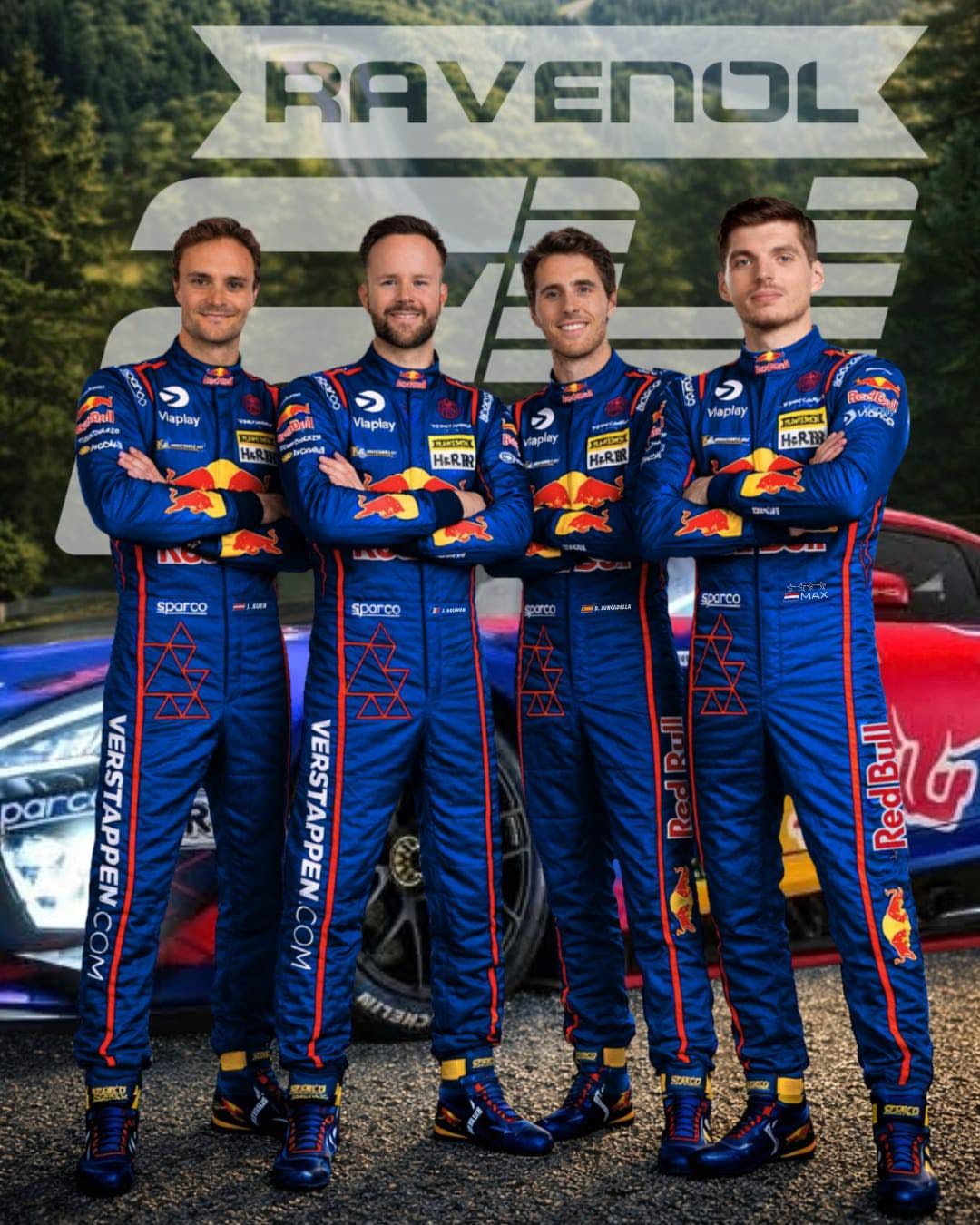
If you perused any headlines this past week, then the biggest story you were likely to come across was Max Verstappen back in Germany to officially race in the Nurburgring 24 Hours. This is the race that Max has had his eye on over the last few years. Contesting the Nurburgring 24 Hours is why we were all introduced to Franz Hermann last year, and it’s why Max built his GT team with his handpicked teammates, Lucas Auer, Daniel Juncadella, and Jules Gounon.
A pattern is emerging for Max at the Nurburgring. Stellar driving, performing God-tier passes in places Nurburgring regulars would never consider passing, only to have races undone by car troubles and/or rule infringements.
In qualifying, Max’s teammate and DTM racer, Lucas Auer, finished 5th to help the team progress in the three-stage qualifying. Very similar to F1’s Q1, Q2, and Q3 shootout format.
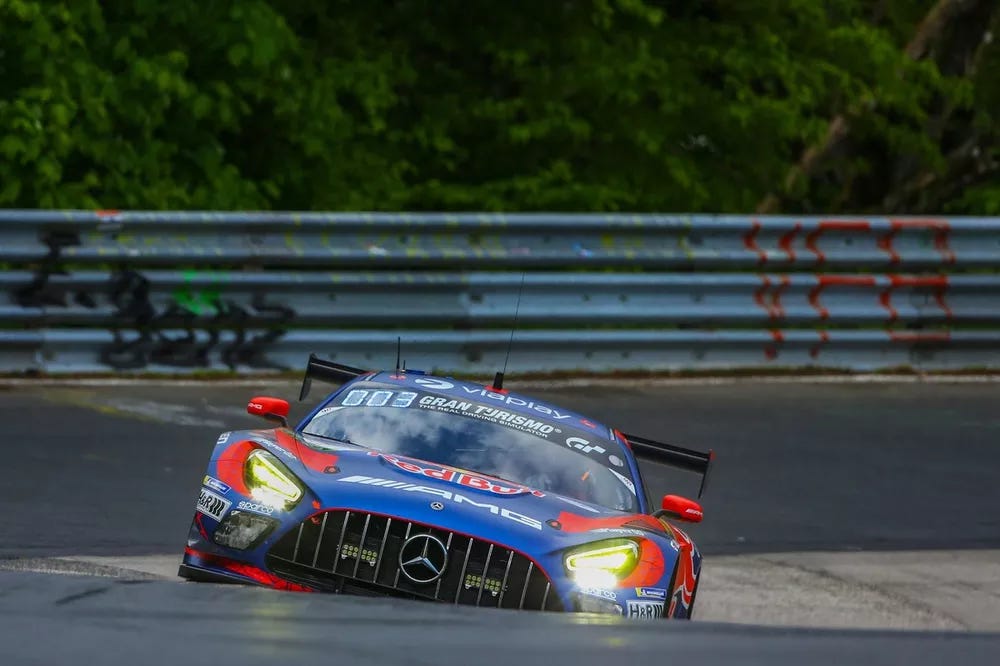
Max then jumped in the car and put it in P1, which then slid to P6 by the flag. From there, Juncadella took the wheel and qualified the Verstappen team in P4 for the race.
Unfortunately for Max and the gang, after some brilliant racing throughout the night and just four hours from the finish, team Verstappen’s Mercedes GT3 car suffered a mechanical issue, a drive shaft problem, that took them out of contention and saw them finish 21 laps off the lead in a rather unremarkable P38.
Max and his team very clearly have everything they need to win at The Ring…except luck. Despite the misfortunes, this Max Verstappen side quest continues to deliver. Max keeps showing his otherworldly talent and skill around the famed circuit. And because of that, there are more people in attendance at the race, with the Nurburgring X account announcing before the event that tickets were sold out, “For the first time in the history of the ADAC RAVENOL 24h Nürburgring.” That legion of people descending on the circuit was backed by millions watching online via livestream.
GT racing and the Nurburgring are enjoying a much-deserved moment in the spotlight thanks to the 4-time F1 World Champion showing up to get licensed and contest races at the infamous German track. Max’s presence at The Ring has shown the world what insider motorsport fans have known for decades —there is some very serious and formidable talent among the ranks of GT racers.
Hopefully, Max and his merry men will stumble into some better luck in future races. But aside from the outright results at the finish line, everything else about Max racing at the Nurburgring has been a win for motorsport, for fans, and even for Max.
As Max was racing around the Nordschleife with his buddies, Honda also managed to find itself in the headlines this past week. And none of it was good.
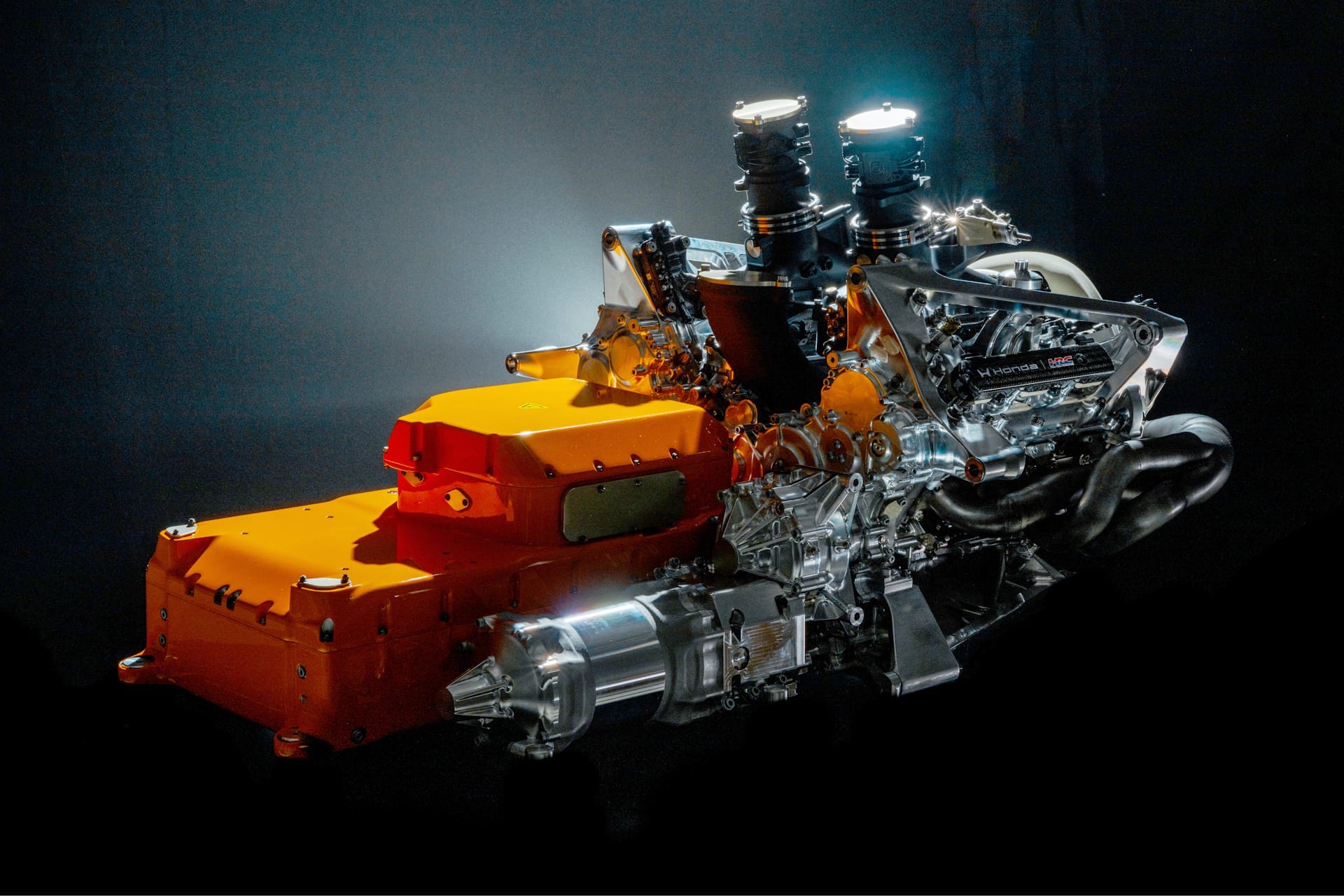
We have already discussed, at length, this year, the woeful state of the Honda engine department. Well, the hits just keep on coming for the legendary engine manufacturer.
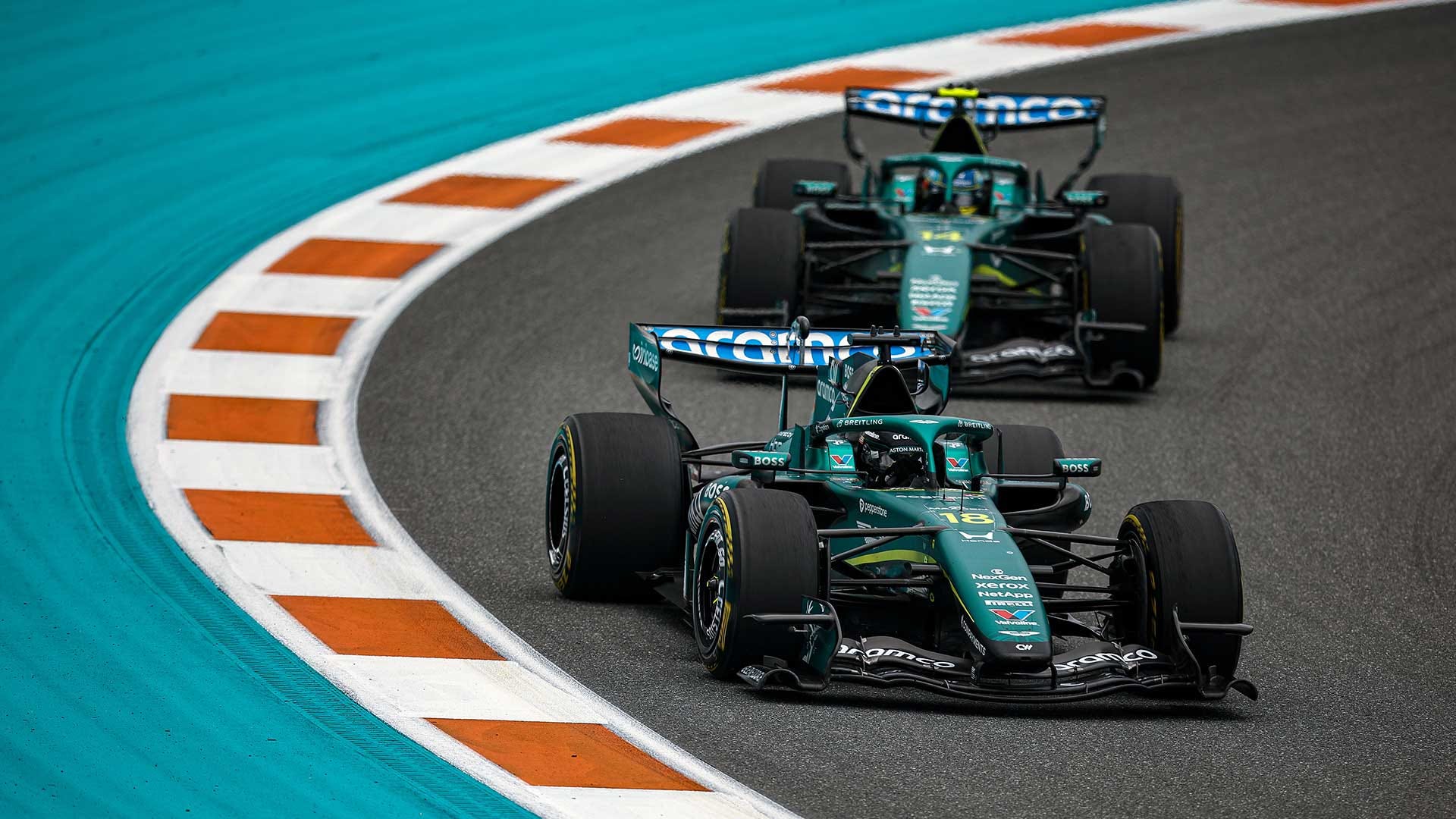
It was reported this week that Honda has qualified for a $19 million bailout to help it bring their donkey of an engine up to a more respectable level.
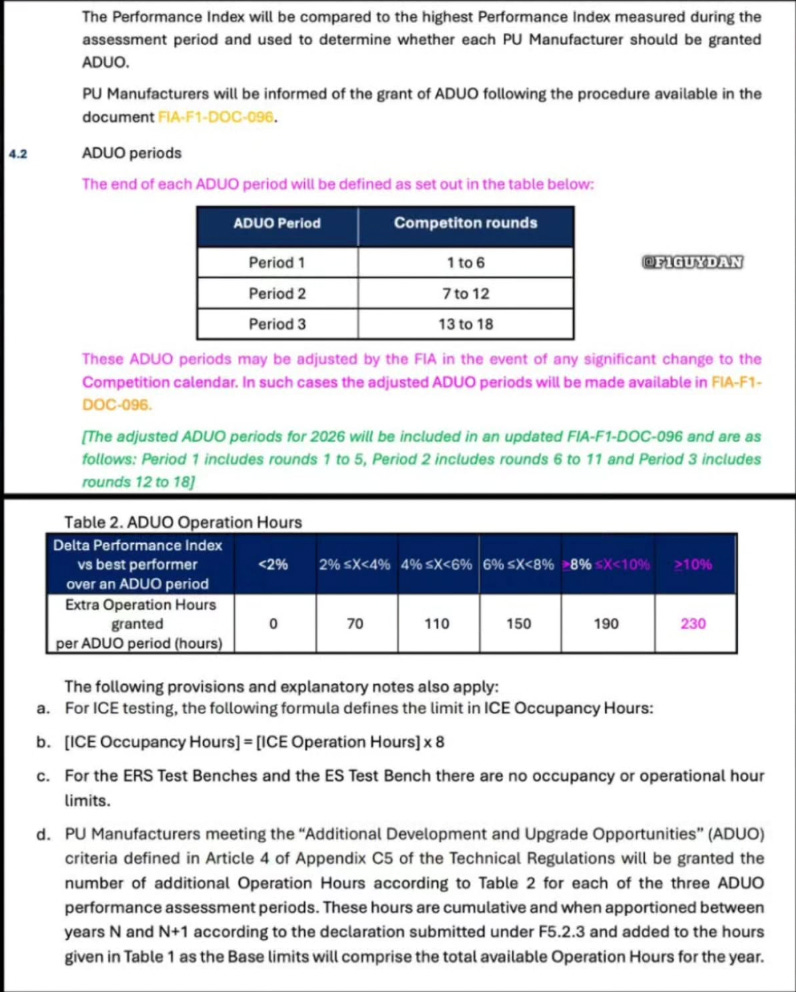
In TIL #117: Suddenly Powerless, we discussed the ADUO (Additional Development and Upgrade Opportunities) rules inside the new regulations. This upgrade and development scheme was instituted because F1 teams now exist under a cost cap and are limited in test bench and development hours. The cost cap and limited wind tunnel and other testing hours were meant to ensure that teams don’t incinerate money in an effort to catch up to rivals or stay ahead, as they used to do. The ADUO rules were meant to allow underperforming teams to spend more money to catch up to rivals if they found themselves too far off the pace.
Honda is currently in such a state of disarray that not only have they qualified for ADUO, but they have also been given the maximum hours permitted by the rules. The original idea was that if a manufacturer is 4% off the pace of the class-leading engine, they would be given ADUO dispensation to upgrade their engine, spend more money, and get additional test bench hours. These extra test bench hours, mainly used to run dynos on powertrains, power units, and full cars, would amount to about 70 hours. However, a sliding scale is at play here. The Honda engine is so far off the pace at the moment, more than 10% off the benchmark engine, that they have been allowed to use the maximum of an extra 230 hours!
There is a sliding scale that governs the cost cap as well. Honda has qualified for the maximum on this scale, too, which permits an extra $11 million in spending.
But wait, there’s more.
There’s yet another little trap door in the cost cap rules that permits a team to borrow against its future spending. This is called “performance-based cost relief.” By being more than 10% off the pace, this cost relief triggers an extra $8 million in permitted spending.
Taken together, Honda can now spend an extra $19 million to get itself out of the hole it dug. I don’t think the word “bailout” was used properly in a lot of the headlines surrounding this financial drama. Honda is not being given money. They are being allowed to spend their own money.
Speaking of their own money, that was the other Honda headline this week.
“HONDA REPORTS FIRST ANNUAL LOSS IN 70 YEARS, WHAT DOES IT MEAN FOR ITS F1 PROJECT?”
That’s right! Honda has posted a $2.68 billion loss over the last year. Though the motorsport article assures us that this won’t affect Honda’s F1 program, which has quit and rejoined Formula 1 four times since 1968.
“Honda Motor announced its financial forecast in March, ahead of Thursday’s formal announcement. The outlook has therefore been clear since that point,” the statement clarifies. “HRC does not recognize specific changes to Motorsport activities impacted by the financial announcement made on May 14.”
At the start of this season, I would have bet you any amount of money that we’d be seeing headlines like this surrounding Cadillac or Audi. It would have seemed eminently reasonable back in January to think that one of the new kids, on the eve of their very first seasons in Formula 1, was going to get things very wrong with these strange new power units.
This season has moved past being described simply as “embarrassing” for Honda. 2015 was embarrassing. This…this is something else altogether.
We will find out after the Canadian Grand Prix which teams officially qualify for the ADUO upgrades. Of course, Honda is sure to be one of those teams.
More importantly for Honda and Aston Martin, the question will be, now that they are being given more time and the ability to spend more money, will they be able to utilize these resources to close the gap? No, not the more than 10% gap to the class-leading engine of either Mercedes or Red Bull (depending on who you believe). Will they be able to use that time and money to close the gap to back markers, Cadillac, and Audi?
In Sprint Qualifying in Miami, Fernando Alonso exited Q1 with a paltry lap time of 1:41:311. That is +9.485 seconds off of Valtteri Bottas’ Q1 time in his Cadillac.
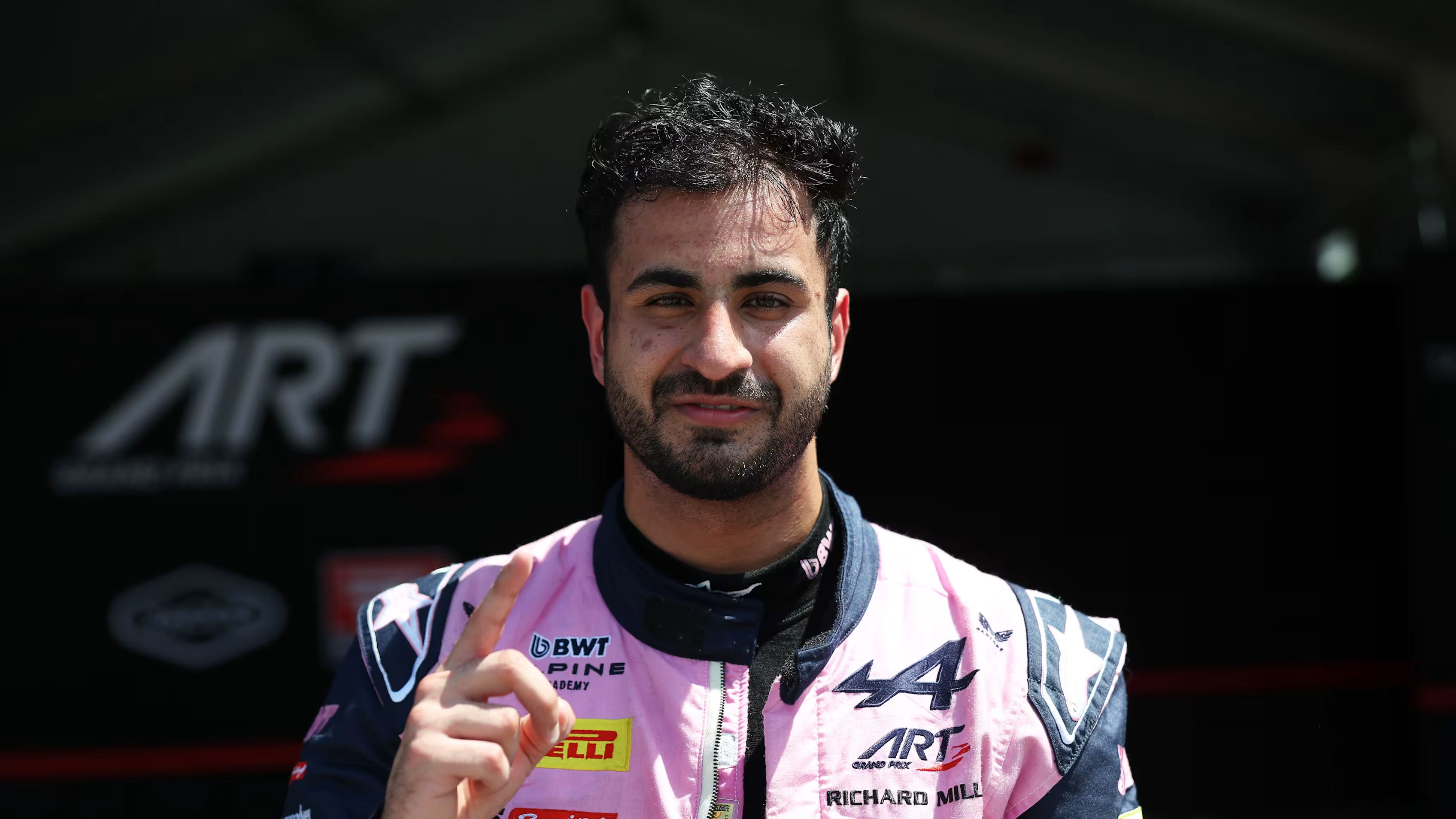
Kush Maini, the Indian F2 driver, put his ART Grand Prix car on pole for the F2 feature race that same day with a time of 1:39:888.
Three-time F1 World Champion Fernando Alonso, driving his Honda-powered Aston Martin designed by the greatest F1 car designer of all time, would have lined up 22nd and last on the F2 grid.
I guess my question is this: Is 230 hours and $19 million going to be enough?

it is un believable the money that will be spent on these upgrades knowing the end result is still a ?